Sex & Couples Therapist
in Falls Church, VA
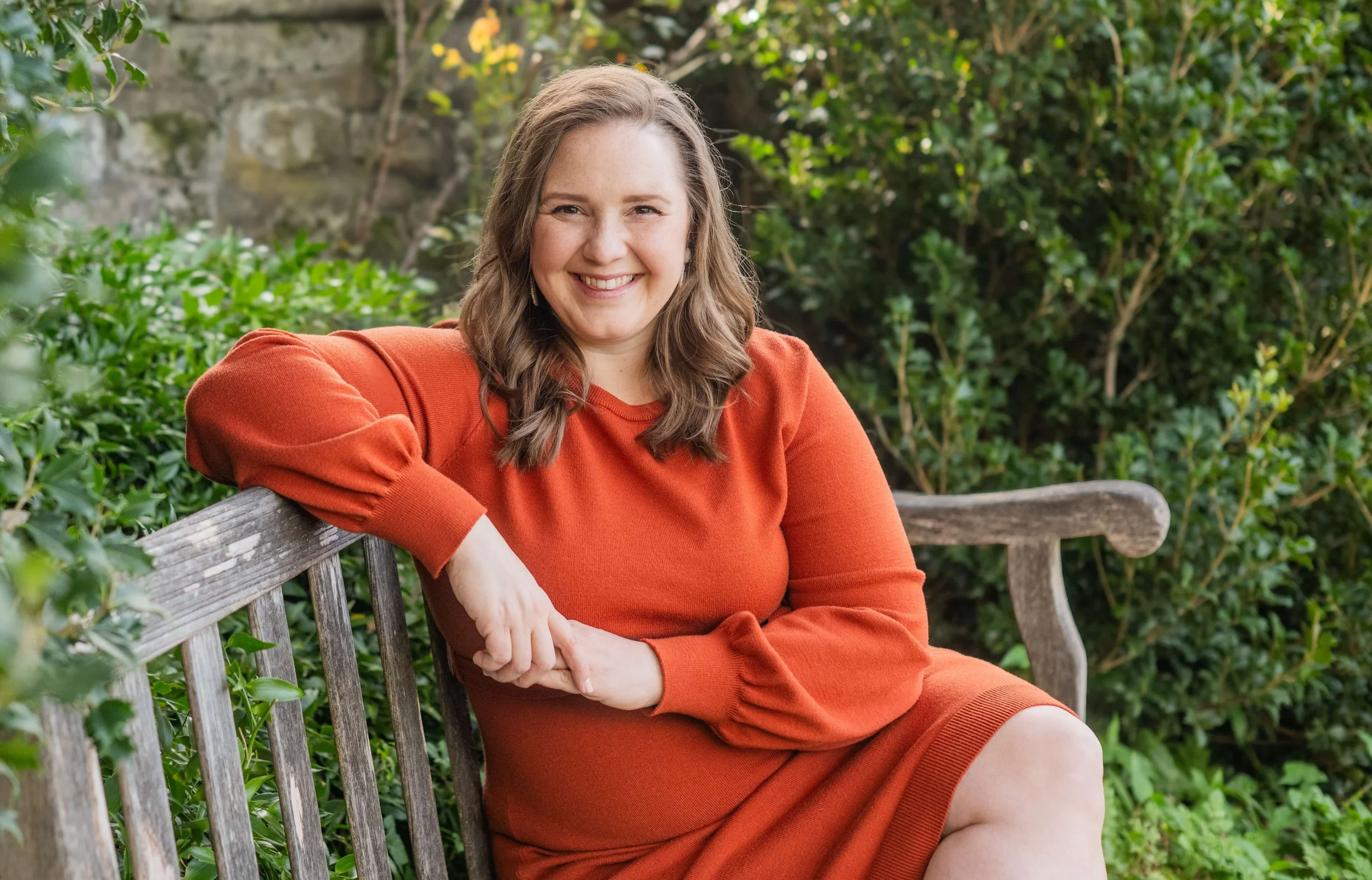
Meet Lauren, LCSW, LICSW
Sex Therapist Specializing in individual, couples, and sex therapy for intimacy,
health changes, and relationships
. . . . . . . . . . . . . . . . . . . . . . . . . . . . . . . . . . . . . . . . . . . . . .
You may have tried to talk about what you’re going through - how your relationship feels solid, yet your sex life feels disconnected, or how cancer, chronic illness, or a significant health experience has changed your body, your relationship, or your sense of self. Maybe it was hard to put into words, or maybe the words came but didn’t fully capture what you’re experiencing. You might have left feeling like something important was still unspoken, or that you weren’t fully understood. That can feel isolating, especially when what you’re navigating is so personal.
Hi, I’m Lauren, a couples and sex therapist in Falls Church, VA, specializing in the intersections of health, intimacy, and relationships. I work with individuals and couples navigating changes in intimacy, identity, and connection. In our work together, you don’t have to edit your experience, we create space for the full complexity of what you’re going through.
MY APPROACH
As a sex & couples therapist in Falls Church, VA
-

We begin by understanding your experience.
You know something has changed, even if it's difficult to put into words. Maybe it's your relationship with your body, your partner, your sexuality, or your sense of who you are. For many people, a health change, medical experience, or treatment changes the way intimacy, desire, and connection are experienced.Together, we make space to understand what's been happening before deciding where you'd like to go from there.
-

Exploring your relationship with your body and sexuality
As we work together, we become curious about the experiences that have shaped the way you relate to your body, your sexuality, and your closest relationships.This might include:
the messages you learned about intimacy, relationships, and sexuality growing up
what it's like to live in your body today
how health changes, medical experiences, or life transitions have changed your experience of desire, closeness, or connection
-
Understanding what happens beneath the surface
Many of the challenges people bring to therapy aren't just about what happened—they're about what was happening underneath.That might look like exploring what happens:
when you reach for your partner
when you pull away
when something feels difficult to say
Together, we begin noticing:
the parts of you trying to protect
the emotions that feel difficult to hold
the ways your body responds to closeness, stress, or vulnerability
-

Building new ways of relating
As we better understand what's been happening, we begin exploring new ways of responding—to yourself, your body, and the people who matter most to you.
Depending on your goals, this may include:
strengthening communication and emotional connection
understanding how fear, shame, or past experiences continue to shape intimacy
reconnecting with your body through mindfulness or body awareness
discovering ways of experiencing closeness that feel safer, more comfortable, and more authentic
-

Making space for grief, too.
When health changes, medical experiences, or major life changes are part of your story, this work also includes grief.
There are often losses that are hard to talk about:
the way your body used to feel
the ease of intimacy
the version of life you expected.
We make space for that, while also exploring what connection, closeness, and even pleasure can look like now.
-

Over time…
As our work together unfolds, you may begin to notice:
feeling more connected to yourself, your body, and your relationships
talking about your needs with greater honesty and confidence
responding to yourself with more compassion and less self-judgment
experiencing intimacy in ways that feel authentic, comfortable, and meaningful
About me,
a couples & sex therapist
At work:
I have been a social worker for over a decade, spending my career supporting individuals and couples navigating chronic illness and the many changes that come with it. I truly love this work and feel deeply honored and privileged to support people through this challenging and transformational season of life.
Over time, I found myself especially drawn to the ways health and medical experiences can impact intimacy, sexuality, identity, and relationships. These are areas that are often overlooked and under-addressed within the medical system. So, I became a sex therapist specializing in the intersection of health, intimacy, and relationships. I find it so meaningful to support people in reconnecting with themselves, their bodies, and their relationships after so much has changed.
Outside of work:
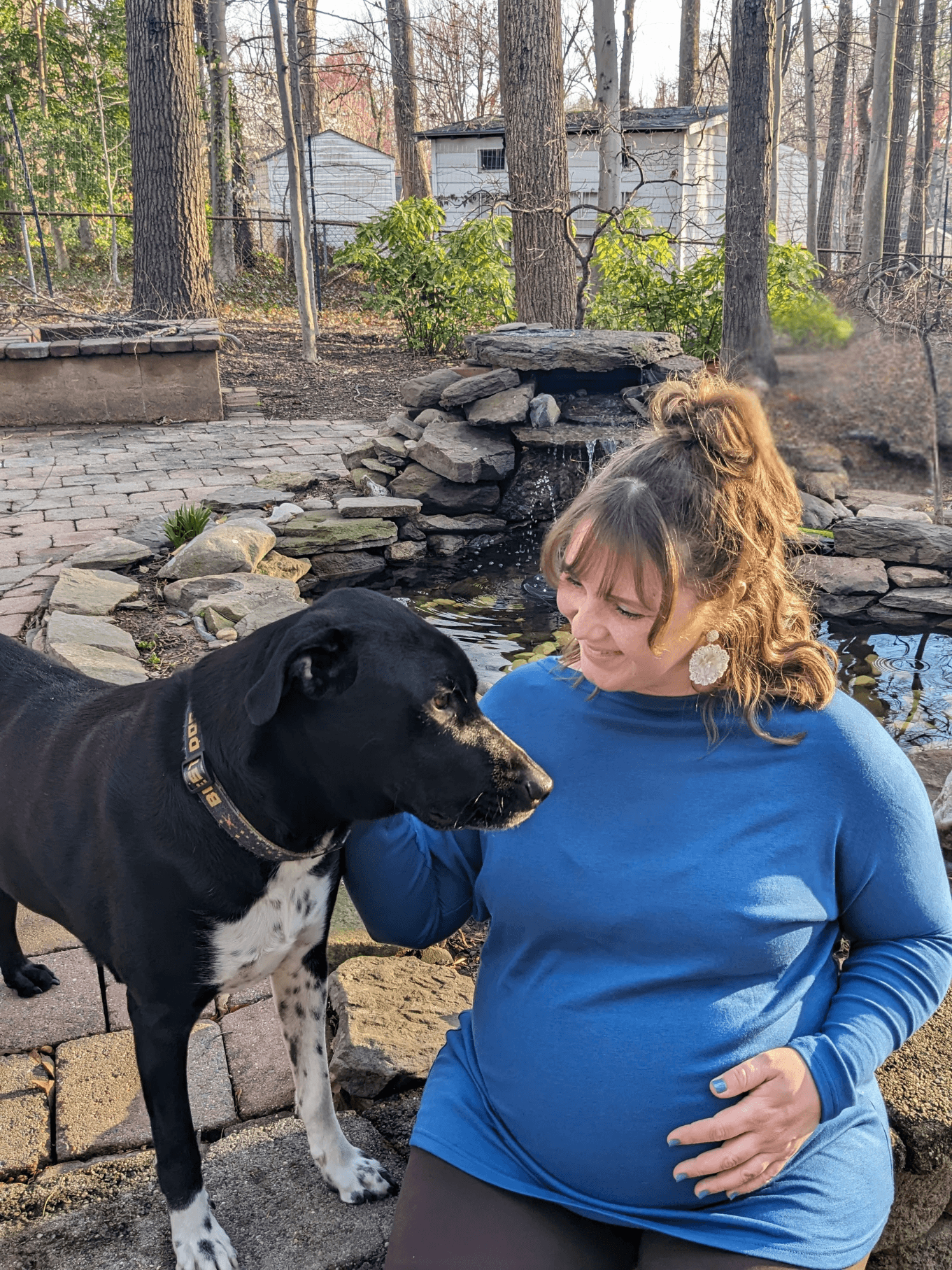
I am originally from Michigan and have called the DMV home for a little over 10 years. I’m also a mom of two, along with a cat, a dog, and a couple of fish keeping life full and lively.
I love decorating and creating calming spaces, especially with plants, and recently started watercolor painting as a creative outlet and a way to slow down (when life allows!).
My clinical background is rooted in specialized training and over a decade of experience supporting individuals and couples navigating cancer, chronic illness, and the impact these experiences can have on intimacy, sexuality, and relationships. My work in medical and therapeutic settings, including the six years I spent as a Certified Oncology Social Worker (OSW-C), continues to shape how I support clients in making sense of changes in their body, identity, and connection to themselves and their partners.
My clinical background
-
My training and licensure reflect a foundation in clinical social work, along with expertise as a sex therapist and oncology social worker.
Master of Social Work, University of Michigan
Licensed Clinical Social Worker (LCSW), Virginia
Licensed Independent Clinical Social Worker (LICSW), Washington, DC
Post-graduate training in sex therapy and sex education, University of Michigan
Certified Oncology Social Worker (OSW-C), held for six years
-
Before starting Kindroot Counseling, I worked in hospital systems, cancer centers, and healthcare settings, supporting individuals and couples navigating cancer, chronic illness, and the ways these experiences impact identity, intimacy, and relationships.
Key areas of experience:
Providing psychotherapy and clinical support within hospital and oncology settings
Supporting individuals and couples navigating the emotional and relational impact of cancer and chronic illness
Working with changes in identity, body image, and sexuality following diagnosis or treatment
Facilitating conversations around intimacy, desire, and connection in the context of illness
Collaborating within medical teams to support whole-person care
-
My work focuses on the intersection of health, intimacy, identity, and relationships, supporting individuals and couples through deeply personal and often complex transitions.
Focus areas:
Sex therapy: navigating changes in desire, intimacy, and sexual connection
Couples therapy: strengthening communication, rebuilding connection, and deepening intimacy
Cancer, chronic illness & health changes: supporting the emotional, relational, and identity shifts that can come with diagnosis, treatment, or other significant medical experiences
Women’s sexual health: including medically-induced menopause and changes related to treatment or life stage
Grief and loss: processing the visible and invisible losses that can come with illness and life transitions
-
In addition to my clinical work, I provide education and consultation on the emotional, relational, and sexual impacts of cancer and chronic illness. I’ve been invited to share this work over 35 times at conferences, programs, and podcasts across the country, speaking to both professionals and individuals navigating these experiences.
Areas of focus:
Sexual health and intimacy in the context of cancer and chronic illness
The emotional and relational impact of illness on individuals and couples
Identity, body image, and medically-induced changes (including menopause)
Supporting communication, connection, and intimacy through treatment and survivorship
Through this work, I aim to bring greater understanding to topics that are often overlooked or difficult to talk about—particularly at the intersection of illness, intimacy, and identity.
Therapy services in Falls Church, VA
You don't feel like yourself anymore. Maybe desire has changed, intimacy feels unfamiliar, or you're struggling to reconnect with your body after a health change, medical experience, or major life transition. Together, we'll make sense of what's changed and explore what intimacy, sexuality, and connection can look like from where you are now.

Sex therapy
After illness, treatment, or another significant health change, your body may no longer feel like your own. Desire, confidence, intimacy, and even your sense of womanhood can shift in unexpected ways. Therapy provides a space to understand those changes, navigate the grief that often accompanies them, and reconnect with yourself in ways that feel authentic and meaningful.

Therapy for
women’s sexual health
Learning to be a therapist comes with uncertainty, difficult decisions, and moments of wondering, "Am I doing this right?" Together, we'll build your confidence, strengthen your clinical thinking, and support you in becoming the therapist you want to be.

LCSW supervision
You may find yourselves having the same conversations without getting anywhere, missing the closeness you once shared, or wondering why connecting feels so much harder than it used to. In therapy, we begin to explore and understand the patterns keeping you stuck and creating new ways of communicating and reconnecting.

Couples therapy
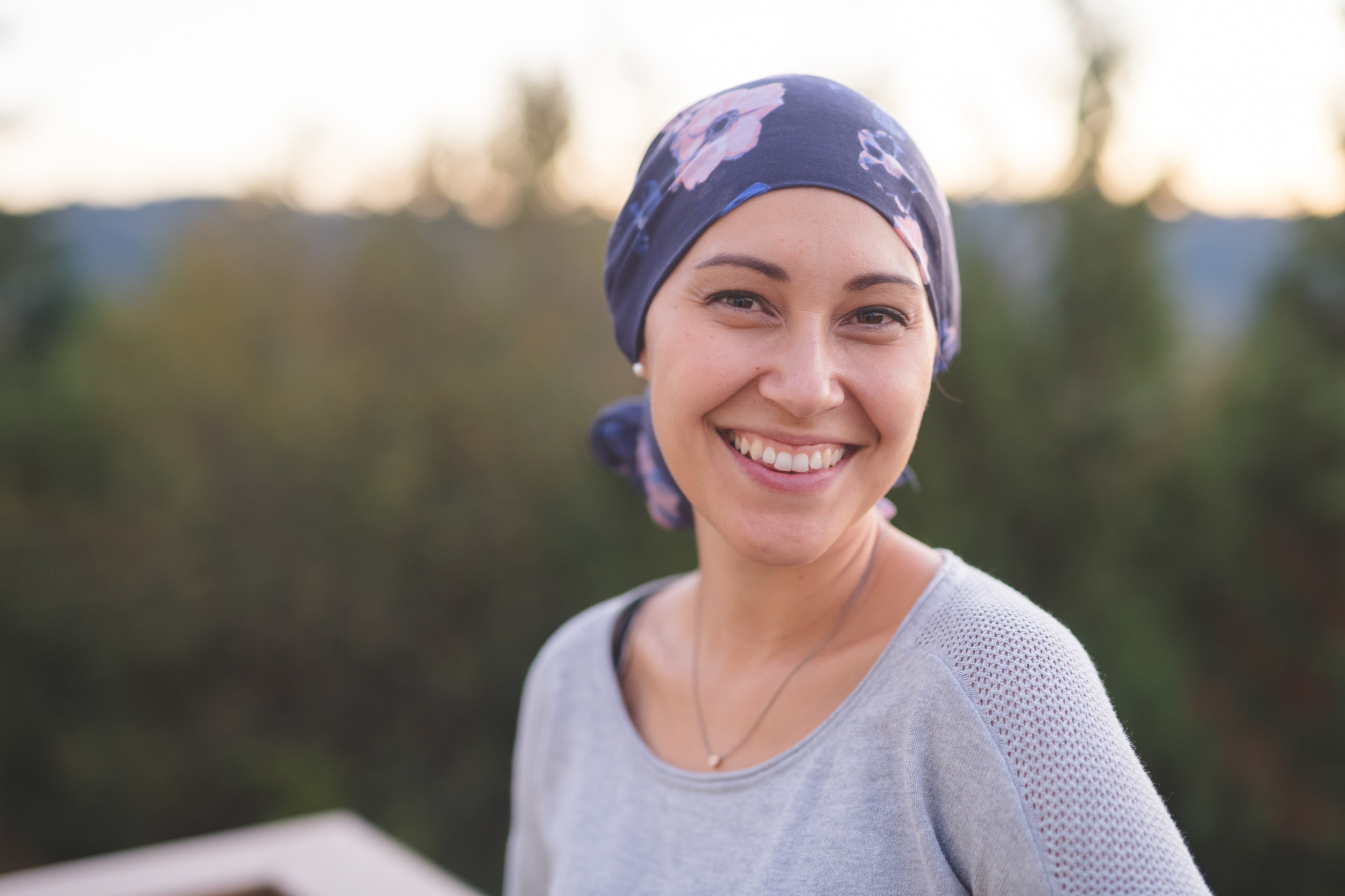
No one prepares you for how much illness can change your life beyond the medical appointments. Therapy provides a space to process the emotional, relational, and identity shifts that often accompany illness, helping you reconnect with yourself and move forward with greater clarity and self-compassion.
Therapy for
chronic illness
Grief isn't only about losing someone you love. It can also follow illness, changes in your body, relationships, or the life you expected. Together, we'll make space for your grief, understand how it has shaped your life, and explore what healing and meaning can look like from where you are now.

Grief therapy
Ready to get started in individual, sex or couples therapy in Falls Church, VA?
Book a free consultation with me
Starting therapy is a meaningful step, and you don't have to have everything figured out before reaching out. Our free 15-minute consultation is simply an opportunity to connect, answer your questions, and see whether working together feels right.
→ Request a consultation
Schedule your first appointment
If we decide to move forward, we'll find a time that works for your schedule and I'll guide you through the rest of the process.
Looking for more information?
My FAQ page covers many of the questions people ask before starting therapy, including fees, services, and what to expect during your first visit.